Rory's Garden
Veronicastrum ‘Album’ | White Culver’s Root – 2 Bare Roots
Veronicastrum ‘Album’ | White Culver’s Root – 2 Bare Roots
Couldn't load pickup availability
Share
Elegant White Flower Spires | Architectural Perennial | Pollinator Favorite
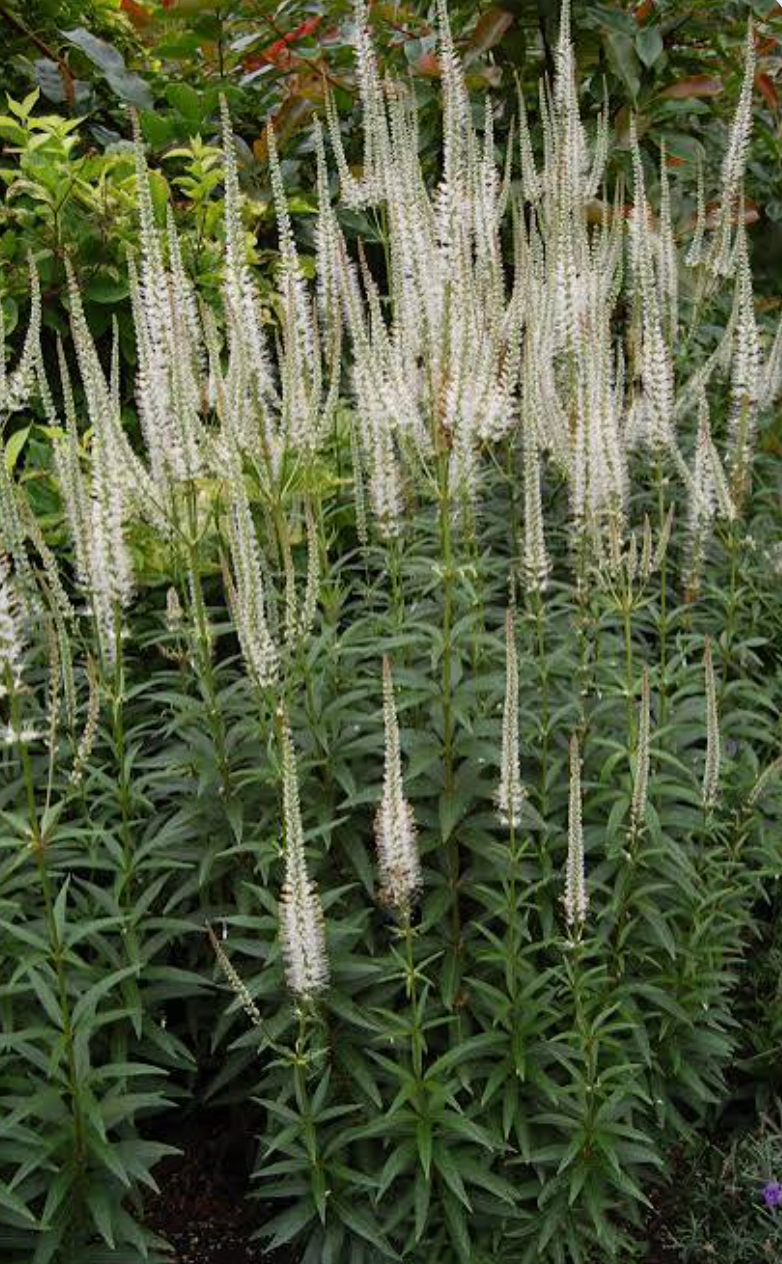
Bring graceful height and timeless elegance to your garden with Veronicastrum virginicum ‘Album’, a beautiful white-flowering selection of Culver’s Root.
In summer, tall, slender spires of pure white flowers rise above distinctive whorls of deep green foliage, creating an airy, architectural silhouette. The elegant vertical blooms add rhythm and movement to perennial borders, making this an exceptional choice for naturalistic gardens inspired by the planting style of Piet Oudolf.
Its refined white flowers are equally at home in romantic cottage gardens, contemporary landscapes, and sophisticated white or moon gardens. Pair with ornamental grasses, Echinacea, Sanguisorba, and Persicaria for a beautifully layered planting.
Plant Highlights
Botanical Name: Veronicastrum virginicum ‘Album’
Common Name: White Culver’s Root
Flower Color: White
Bloom Time: June–August
Mature Height: 4–6 feet
Mature Spread: 2–3 feet
Light: Full sun to partial shade
Soil: Moist, well-drained; prefers consistent moisture
Hardiness: USDA Zones 3–8
Pollinators: Attracts bees and butterflies
Deer Resistance: Generally deer resistant
Why We Love It
‘Album’ is one of those quietly spectacular perennials that brings elegance without overwhelming its companions. Its luminous white flower spires create beautiful vertical accents, while the distinctive whorled foliage provides architectural interest throughout the growing season.
Especially striking when planted in generous drifts among ornamental grasses, it is also a wonderful addition to white gardens, where its pale flowers glow in the evening light.
What You'll Receive
2 Grade 1 bare-root divisions, ready for spring planting.
Spring 2027 Preorder – Ships Late March–April, weather permitting.
Bare-root plants are shipped without soil or pots and may arrive dormant. New growth will emerge as temperatures warm.